
Do You Need Trekking Experience for the Short Manaslu Circuit Trek?
7th Oct, 2026
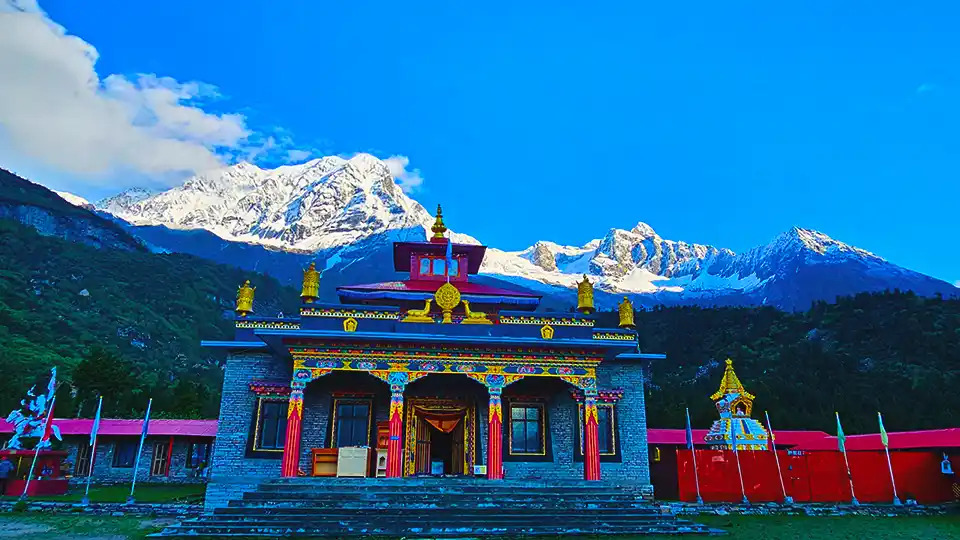
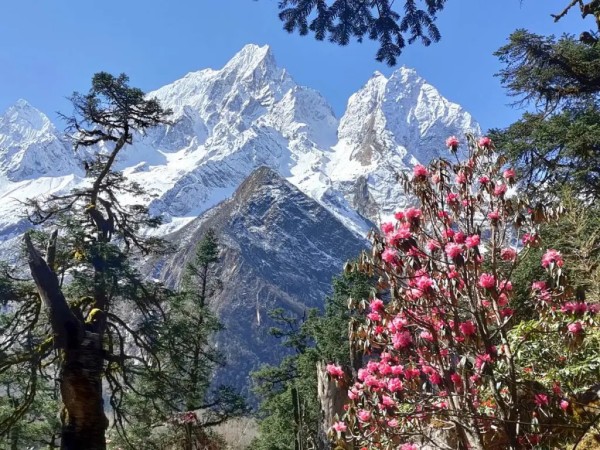
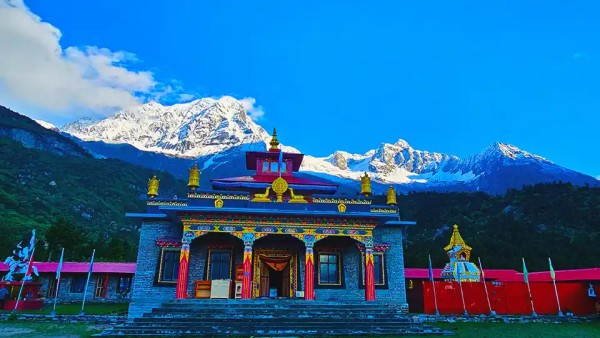
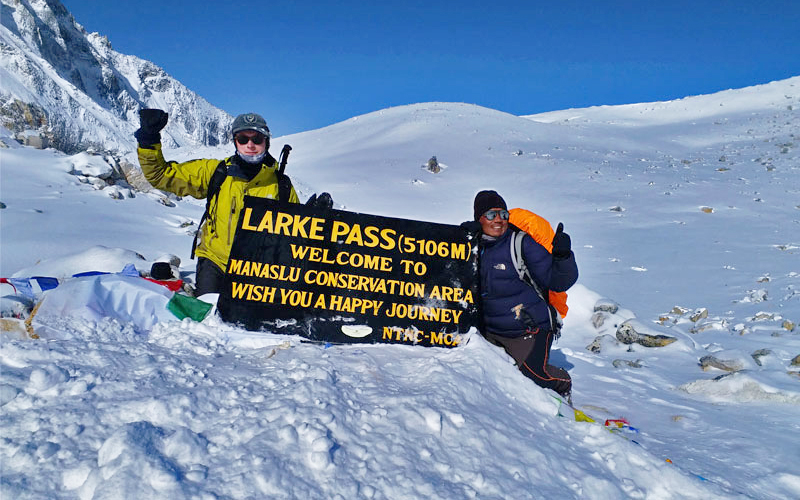
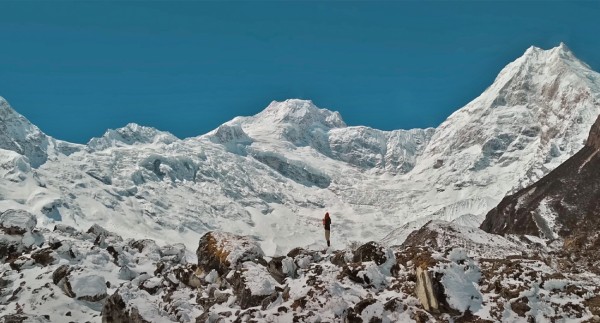
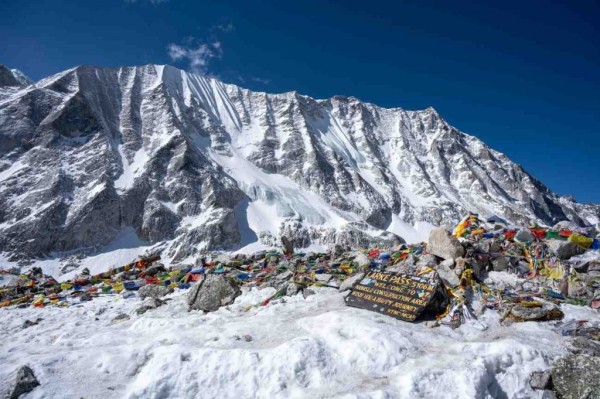
You have seen the photos: a quiet trail beneath Manaslu (8,163 m), prayer flags snapping in the wind at Larkya La Pass, and a Tibetan-influenced village at 3,500 m with hardly another trekker in sight. Then comes the practical question every first-timer asks: Is this trek too much for me?
Table of Contents
The honest answer: you do not need technical climbing skills, but you do need real fitness and, ideally, previous trekking and high-altitude experience. The Short Manaslu Circuit Trek is an 11-day, moderate-to-adventurous trek that crosses a 5,106 m pass. It is not a gentle first walk in the hills. This guide explains exactly what experience helps, what fitness you need, and how to prepare, so you can decide with confidence.
You can view the full itinerary, dates and prices on the Short Manaslu Circuit Trek page at Mountain Eco Treks.
The Short Answer: Experience Required or Not?
|
Question |
Answer |
|---|---|
|
Do I need technical climbing skills? |
No. There is no rope work, ice axe or crampon use on the standard route. |
|
Do I need previous trekking experience? |
Strongly recommended. Multi-day trekking with a daypack should not be new to you. |
|
Do I need high-altitude experience? |
Strongly advisable. Mountain Eco Treks does not recommend this trek for first-time high-altitude trekkers. |
|
Do I need good fitness? |
Yes. Expect 5 to 9 hours of walking on most days and a very long pass day. |
|
Can a determined beginner do it? |
Possible with serious training, a realistic mindset and honest guidance, but easier alternatives are safer starting points. |
Short Manaslu Circuit Trek at a Glance
|
Detail |
Information |
|---|---|
|
Duration |
11 days |
|
Grade |
Moderate to adventurous |
|
Highest point |
Larkya La Pass, about 5,106 m (some sources round it to 5,135 or 5,160 m) |
|
Starting point |
Machha Khola, by private jeep from Kathmandu |
|
Ending point |
Tilje village, then drive to Kathmandu |
|
Accommodation |
Teahouses and lodges, twin sharing |
|
Group size |
1 to 15 trekkers |
|
Best seasons |
March to May and September to November |
|
Package prices |
Standard US$1,485 per person; Budget US$1,050 per person |
Why This Trek Is Not a Typical Beginner Trek
To understand how much experience you need, look at what makes the Short Manaslu Circuit different from famous starter treks.
1. It is a restricted-area trek
Manaslu is a government-restricted region. A licensed guide is mandatory, and permits are issued only through a registered trekking agency. That adds safety and support, but it also means the trail is remote, with fewer clinics, fewer escape routes and longer response times than in busier regions.
2. Walking days are long
Most trekking days run 5 to 8 hours, and the big days are longer. Day 5 from Namrung to Sama Gaon takes 7 to 8 hours, while Day 9 over Larkya La takes 8 to 9 hours. If you have never walked 6 to 8 hours day after day, your legs and mind will need to adapt quickly.
3. Altitude arrives fast
The short itinerary compresses the classic circuit into 11 days with one built-in acclimatization day at Sama Gaon. Some days involve a large gain in sleeping altitude. Namrung (2,630 m) to Sama Gaon (3,530 m) is about 900 m, and Samdo (3,860 m) to Dharmasala (4,460 m) is about 600 m. A common guideline is to sleep no more than roughly 500 m higher per day above 3,000 m, which is why prior altitude exposure matters so much on a compressed schedule.
4. Larkya La is a real challenge
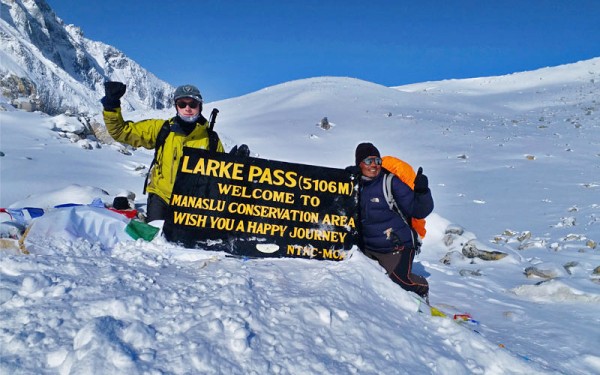
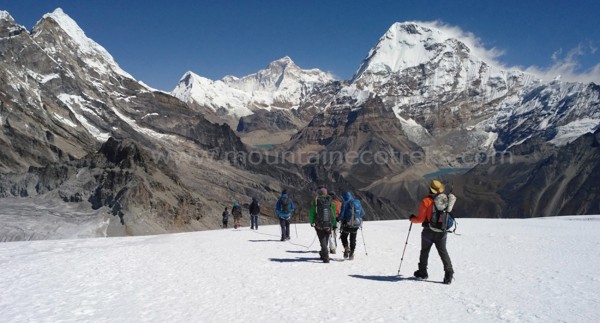
Crossing Larkya La means leaving Dharmasala (4,460 m) before dawn, climbing to about 5,106 m, then descending roughly 1,380 m to Bimthang (3,730 m) in a single day. Cold wind, thin air, rocky moraine and possible snow all add to the effort.
5. Basic teahouse conditions
Lodges are comfortable by Himalayan standards, but rooms are simple, bathrooms are basic, and power, Wi-Fi and phone signal are limited, especially above Sama Gaon. First-timers who have never slept in a mountain lodge may find this an adjustment.
What Kind of Experience Actually Helps?
You do not need a long mountaineering résumé. These experiences, in rough order of usefulness, make a real difference:
|
Experience |
Why It Helps |
|---|---|
|
Previous multi-day trek (3 to 7 days) |
You know how your body handles repeated long days, blisters and fatigue. |
|
Previous trek above 3,500 m |
You have a sense of how you respond to altitude, sleep and appetite changes. |
|
Regular hill hiking with a loaded daypack |
Builds the leg strength and stamina you will use every day. |
|
Cold-weather outdoor experience |
Helps you manage layers, wind and early starts on pass day. |
|
Teahouse or hut stays |
You are used to shared dining rooms, basic rooms and limited facilities. |
Good stepping-stone treks: Consider the Everest View Trek, Poon Hill Ghorepani Short Trek, Langtang Valley Trek, Annapurna Base Camp Trek or the Short Annapurna Circuit Trek. Any of these gives you real trail days and some altitude before you take on Manaslu.
Fitness Benchmarks: Are You Ready?
Use these as honest self-checks about 8 to 12 weeks before departure:
- You can hike 5 to 6 hours with a 6 to 8 kg daypack without feeling wrecked.
- You can climb stairs or hills continuously for 60 minutes at a steady pace.
- You can do back-to-back long hikes on consecutive days (for example, Saturday and Sunday) and still feel fine on day two.
- You are comfortable with long downhill sections, which strain knees and quads.
- You have no unmanaged heart, lung, blood pressure or joint problems. See your doctor before booking.
If you cannot yet meet these benchmarks, do not panic. Eight to twelve weeks of focused training can get most healthy adults there.
The Itinerary at a Glance (and Where It Gets Hard)
|
Day |
Route |
Walking Time |
Sleeping Altitude |
Difficulty Note |
|---|---|---|---|---|
|
1 |
Drive Kathmandu to Machha Khola |
8 hrs drive |
900 m |
Long, bumpy road, no trekking yet |
|
2 |
Machha Khola to Jagat |
6 to 7 hrs |
1,410 m |
Gentle climbs, river valley, heat |
|
3 |
Jagat to Deng via Philim |
6 to 7 hrs |
1,800 m |
Ups and downs along Budhi Gandaki |
|
4 |
Deng to Namrung |
5 to 6 hrs |
2,630 m |
Forest climbs, good acclimatization |
|
5 |
Namrung to Sama Gaon via Lho |
7 to 8 hrs |
3,530 m |
Big altitude gain and a long day |
|
6 |
Acclimatization at Sama Gaon |
Optional hike |
3,530 m |
Birendra Lake and Pungyen Gompa hikes |
|
7 |
Sama Gaon to Samdo |
4 to 5 hrs |
3,860 m |
Short but high |
|
8 |
Samdo to Dharmasala |
4 to 5 hrs |
4,460 m |
Cold, thin air, early bed |
|
9 |
Over Larkya La to Bimthang |
8 to 9 hrs |
3,730 m |
The hardest day of the trek |
|
10 |
Bimthang to Tilje |
6 to 7 hrs |
2,300 m |
Long descent, tired knees |
|
11 |
Drive Tilje to Kathmandu |
8 to 9 hrs drive |
1,400 m |
Long road journey |
On the published itinerary, Day 9 is listed as ending in "Bhimphedi" at 3,730 m, which corresponds to the Bimthang area. Always confirm place names with your operator.
Do You Need Altitude Experience?
Altitude is the real gatekeeper on this trek, more than distance or steepness. Acute Mountain Sickness (AMS) can affect anyone above roughly 2,500 m, regardless of fitness. On this route you sleep above 3,500 m for five nights and cross a pass above 5,000 m.
If you have never been above 3,000 m, you will not know how your body reacts. That is not a reason to give up on Manaslu forever, but it is a strong reason to do a lower-altitude trek first, or at least speak openly with your operator about your plan.
Smart altitude habits for everyone:
- Walk slowly and steadily. Never race.
- Drink plenty of water throughout the day.
- Avoid alcohol and sleeping pills at altitude.
- Eat carbohydrate-rich meals even if appetite drops.
- Report headaches, nausea, dizziness or unusual fatigue to your guide immediately.
- Never ascend with worsening symptoms. Descending is the treatment.
- Discuss preventive medication such as acetazolamide with your doctor before you travel.
Your guide will check your oxygen saturation and pulse with a pulse oximeter and make safety decisions throughout. Mountain Eco Treks states that decisions about descent are made on safety grounds.
Your 8 to 12 Week Training Plan
Weeks 1 to 4: Build the base
- Brisk walking or easy hiking 3 to 4 times a week, 45 to 90 minutes
- One longer weekend hike of 2 to 3 hours
- Stair climbing or incline treadmill once a week
Weeks 5 to 8: Add load and duration
- Hike with a 6 to 8 kg daypack
- Increase the weekend hike to 4 to 5 hours
- Add one strength session for legs and core (squats, lunges, step-ups, planks)
Weeks 9 to 12: Simulate trek days
- Back-to-back long hikes of 5 to 6 hours on consecutive days
- Practise steep downhill walking with trekking poles
- Wear your trekking boots and full daypack every time
Final week: Taper your training, rest well, and double-check your gear and documents.
Cardio such as cycling, swimming and running supports your stamina, but nothing replaces walking uphill and downhill with a pack.
Do You Need a Guide, Permits and Insurance?
Guide. Yes. A government-licensed guide is mandatory in the Manaslu restricted area. Mountain Eco Treks includes a licensed guide and one porter shared between two trekkers in the Standard package. In the Budget package, a porter is available at extra cost.
Permits. You need the Manaslu Restricted Area Permit (RAP), the Manaslu Conservation Area Permit (MCAP) and the Annapurna Conservation Area Permit (ACAP). According to the trip page, RAP costs US$100 for the first 7 days (September to November) and US$75 (December to August), with extra days charged per day. MCAP and ACAP cost US$20 each, plus a local municipality fee of about US$7. Total permit costs generally run about US$150 to 160 per person. Mountain Eco Treks arranges permits as part of its packages. Fees can change, so confirm current rates.
Insurance. Travel insurance is mandatory. Choose a policy that explicitly covers trekking at high altitude (above 5,000 m) and emergency helicopter evacuation, and keep your insurer's 24-hour number handy.
What to Pack
You do not need extreme gear, but you do need warm, reliable layers.
- Waterproof, well broken-in trekking boots and 3 to 4 pairs of wool socks
- Base layers, fleece, down jacket and waterproof shell
- Warm hat, gloves, buff and UV sunglasses
- Sleeping bag rated to about -10°C (available on request through Mountain Eco Treks)
- Trekking poles, headlamp with spare batteries and a 10 to 15 L daypack
- Water bottle and purification tablets or a filter
- Sunscreen SPF 50+, lip balm, blister plasters and personal medicines
- Power bank and a Nepal-compatible adapter
- Passport, visa, insurance papers, passport photos and cash in Nepali rupees
There are no ATMs on the trail, so carry enough cash from Kathmandu.
Best Time for Beginners and First-Timers
Choose the season carefully if experience is limited.
|
Season |
Months |
What to Expect |
|---|---|---|
|
Autumn |
September to November |
Clear skies, stable weather, the most reliable Larkya La conditions. October is the clearest month. |
|
Spring |
March to May |
Warmer, rhododendrons in bloom, usually fewer trekkers. Some afternoon haze. |
|
Winter |
December to February |
Heavy snow can close the pass. Not suitable for first-timers. |
|
Monsoon |
June to August |
Heavy rain, leeches and landslide risk. Not recommended. |
For a first big Himalayan trek, autumn or spring gives you the best safety margin.
8 Common Mistakes Under-Experienced Trekkers Make
- Skipping training. Fitness on arrival matters more than enthusiasm.
- Wearing new boots. Blisters can ruin the whole trek.
- Walking too fast early on. Save your energy for the high sections.
- Ignoring early altitude symptoms. Small headaches can become serious.
- Underestimating pass day. It is long, cold and tiring.
- Overpacking. Heavy gear drains energy. Rent bulky items when possible.
- Underestimating the road journeys. The drives to and from the trek are long, so allow rest time.
- Skipping insurance details. Always confirm evacuation cover and altitude limits.
When to Choose a Different Trek First
The Short Manaslu Circuit Trek may not be the best first Himalayan trek if you:
- Have never done a multi-day trek
- Have never been above 3,000 m
- Cannot yet walk 5 to 6 hours comfortably
- Have only a few weeks to train
- Are uncomfortable with remote areas and limited facilities
Smart alternatives include the Everest Base Camp Short Trek, the Short Annapurna Base Camp Trek and the easy treks collection. When you are ready for more, return to Manaslu. If you want the full-length version with more acclimatization time, look at the 14-day Manaslu Circuit Trek. You can also explore the Tsum Valley Trek for a deeper cultural journey in the same region.
Cost Snapshot
|
Package |
Price Per Person |
Highlights |
|---|---|---|
|
Standard |
US$1,485 |
Private transport, 2 nights in a 3-star Kathmandu hotel, porter shared between two trekkers, permits, meals on the trek, licensed guide, oximeter checks, welcome dinner |
|
Budget |
US$1,050 |
Public transport, permits, meals on the trek, licensed guide, oximeter checks, welcome dinner. Hotel nights in Kathmandu and porter are extra |
Both exclude international flights, visa, travel insurance, drinks, personal expenses, Kathmandu lunches and dinners (except the welcome dinner), and tips. Departures run from October 2026 through May 2027. Prices and dates may change, so verify them on the trip page before booking.
(FAQs) About Trekking Experience for the Short Manaslu Circuit Trek
1. Do you need trekking experience for the Short Manaslu Circuit Trek?
You do not need technical climbing skills, but previous trekking experience is strongly recommended. The trek involves 5 to 9 hours of walking on most days, multiple nights above 3,500 m and a pass crossing at about 5,106 m. People who have completed at least one multi-day trek find it far more manageable than complete beginners.
2. Is the Short Manaslu Circuit Trek suitable for beginners?
It is not an ideal first trek. Mountain Eco Treks describes it as moderate to challenging and does not recommend it for first-time high-altitude trekkers. A fit, well-prepared beginner with serious training and realistic expectations may succeed, but gentler treks such as the Everest View or Poon Hill routes are safer starting points.
3. How difficult is the Short Manaslu Circuit Trek?
The trek is graded moderate to adventurous. Daily walks usually last 5 to 8 hours, the altitude is high, and Larkya La Pass day lasts 8 to 9 hours. No technical skills are needed, but you do need good cardiovascular fitness, strong legs and mental resilience.
4. Do I need high-altitude experience before trekking Manaslu?
It is strongly advisable. Knowing how your body responds above 3,000 m helps you recognise early altitude sickness symptoms, pace yourself and avoid panic. If you have no altitude experience, try a trek that reaches 3,500 to 4,000 m first, or discuss a longer itinerary with your operator.
5. How fit do I need to be for the Short Manaslu Circuit Trek?
You should be able to walk 5 to 6 hours with a 6 to 8 kg daypack, climb hills for an hour without stopping, and handle consecutive long days. Start structured training 8 to 12 weeks before departure, with regular hikes, stair climbing, leg strength work and back-to-back long walks.
6. What is the hardest day of the Short Manaslu Circuit Trek?
Day 9, the crossing of Larkya La Pass, is the toughest. You leave Dharmasala (4,460 m) very early, climb to about 5,106 m, then descend about 1,380 m to Bimthang. The day takes 8 to 9 hours in cold, thin air, so pace, layers and food matter.
7. Can I do the Short Manaslu Circuit Trek solo?
You can travel alone, but not without a guide. Solo trekking is allowed only with a government-licensed guide, and permits must be arranged through a registered agency. Mountain Eco Treks runs group-joining departures throughout the season, so solo travellers can meet other trekkers.
8. Is a guide mandatory on the Short Manaslu Circuit Trek?
Yes. The Manaslu region is a restricted area, and a licensed guide is required by law. Permits are not issued without a registered guide. The guide also monitors your health, handles teahouse logistics and manages emergencies.
9. What permits do I need, and how much do they cost?
You need the Manaslu Restricted Area Permit, the Manaslu Conservation Area Permit and the Annapurna Conservation Area Permit. The trip page lists RAP at US$100 for the first 7 days in September to November (US$75 from December to August), MCAP and ACAP at US$20 each, and a local fee of about US$7. Confirm current rates before travelling.
10. What is the best time to do the Short Manaslu Circuit Trek?
Autumn (September to November) and spring (March to May) are best. October usually offers the clearest skies and most stable weather. Winter can close Larkya La because of heavy snow, and the monsoon brings rain and landslide risks, so neither suits first-timers.
11. How can I prevent altitude sickness on this trek?
Ascend gradually, use your acclimatization day at Sama Gaon, drink plenty of water, avoid alcohol and tell your guide about any symptoms straight away. Ask your doctor about preventive medication before you travel. If symptoms worsen, descend immediately and never keep climbing.
12. How many hours do you walk each day?
Most days involve 5 to 8 hours of walking. Day 5 (Namrung to Sama Gaon) takes 7 to 8 hours and Day 9 (Larkya La) takes 8 to 9 hours. Days 7 and 8 are shorter at 4 to 5 hours but climb into thin air, so use the extra time to rest.
13. What training should I do before the trek?
Hike 3 to 4 times a week, add a loaded daypack, and build up to back-to-back 5 to 6 hour hikes. Include stair or hill climbs, leg strength sessions, and plenty of downhill practice with trekking poles. Break in your boots on every training walk.
14. What happens if I cannot complete the trek?
Your guide will decide on the safest option, which may include resting, descending or arranging evacuation. Travel insurance that covers high-altitude trekking and emergency helicopter evacuation is mandatory, so confirm your policy details before departure. Unused services after an early return are generally not refundable, so check the operator's terms.
15. How much does the Short Manaslu Circuit Trek cost in 2026?
Mountain Eco Treks lists the Standard package at US$1,485 per person and the Budget package at US$1,050 per person for the 11-day trek. International flights, visa, insurance, drinks, personal items and tips are extra. Check the trip page for current prices, dates and group-joining departures.
Final Thoughts: Experience Makes the Difference, Not Perfection
The Short Manaslu Circuit Trek is one of Nepal's most rewarding journeys, with a high pass, quiet trails and warm mountain culture. It is not a trek you should treat casually. The more multi-day hiking and altitude experience you bring, the safer and more enjoyable your trip will be.
If you already have some trekking behind you, train steadily for two to three months, choose autumn or spring, and travel with a licensed local team. If you are completely new, start with a gentler Himalayan trek, build your confidence, and come back to Manaslu when you are ready.
Ready to plan? View the Short Manaslu Circuit Trek itinerary, dates and prices, browse more Manaslu region treks, or contact Mountain Eco Treks to talk through your experience with a local expert. You can also read the FAQs, traveller testimonials and the Mountain Eco Treks blog for more trekking advice.
Recent From Blog

19th Apr, 2019


23rd Dec, 2018

11th Jan, 2024

14th Jan, 2024

29th Jan, 2025

11th Feb, 2025

18th Feb, 2025

25th Feb, 2025

5th Apr, 2025
23rd Dec, 2025
9th May, 2026
12th Jul, 2026

13th Aug, 2026
13th Aug, 2026
13th Aug, 2026

16th Aug, 2026
20th Aug, 2026


11th Sep, 2026
24th Sep, 2026
25th Sep, 2026
5th Oct, 2026